
 See Our Latest Article on HelloNation
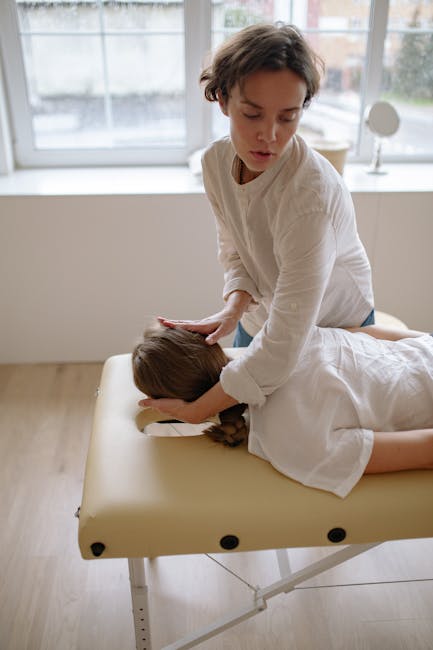
Living in Cortland, New York, many residents lead active lifestyles—whether it's participating in local sports leagues, hiking at Lime Hollow Nature Center, or working physically demanding jobs in agriculture or at SUNY Cortland. Naturally, aches and pains become part of life for many individuals. When seeking relief, two options quickly surface: chiropractic care and massage therapy. While both offer important health benefits, understanding the differences between these therapies is essential to choosing the right approach for your specific needs.
What is Chiropractic Care?
Chiropractic care is a healthcare discipline centered on the diagnosis, treatment, and prevention of musculoskeletal disorders, primarily focusing on the spine. Chiropractors in Cortland and across the country use hands-on spinal manipulation and other alternative treatments to align the body’s musculoskeletal structure, particularly the spine, allowing the body to heal itself without surgery or medication.
- Core Philosophy: The central idea is that proper alignment of the body’s musculoskeletal structure enables the body to heal itself, especially the spine.
- Techniques Used: Spinal adjustments, posture correction, rehabilitative exercises, and lifestyle counseling.
- Common Conditions Treated: Back pain, neck pain, headaches, joint pain, and sciatica.
In Cortland, chiropractic care is particularly popular among those with persistent discomfort after shoveling heavy winter snow, student-athletes recovering from minor injuries, and office workers experiencing posture-related aches.
What is Massage Therapy?
Massage therapy involves the manual manipulation of soft tissues—muscles, tendons, ligaments, and connective tissue—to enhance a person’s health and well-being. Trained massage therapists use hands, fingers, elbows, or special tools to knead away stress, tension, and pain.
- Core Philosophy: Massage therapy is based on the power of touch for healing, focusing on improving circulation, releasing muscle tension, and promoting relaxation.
- Techniques Used: Swedish massage, deep tissue massage, sports massage, and myofascial release.
- Common Conditions Treated: Muscle tension, stress, anxiety, sports injuries, and headaches.
Cortland residents often turn to massage therapy after long work weeks, heavy participation in community sports, or even after enjoying seasonal activities like cross-country skiing at Greek Peak.
Key Differences Between Chiropractic and Massage Therapy
Although both therapies are hands-on and focus on relieving pain and improving well-being, the underlying approach, conditions treated, and goals are distinct.
Focus and Purpose
- Chiropractic Care: Primarily targets the spine and alignment of the skeletal system to support the body's nervous system and address root causes of pain or dysfunction.
- Massage Therapy: Concentrates on soft tissues to relieve muscle tension, promote relaxation, and enhance blood flow.
Techniques and Training
- Chiropractors: Require a doctorate-level education, state licensure, and are trained to diagnose structural problems and perform adjustments.
- Massage Therapists: Complete specialized training programs and are licensed by the state of New York after meeting education and examination requirements. Focus is on manipulating muscles and soft tissues, not bones or joints.
Medical Diagnosis
- Chiropractors: Qualified to diagnose musculoskeletal issues and create treatment plans.
- Massage Therapists: Do not provide medical diagnoses, but instead offer supplementary relief and relaxation.
Tools for Recovery
- Chiropractors: May incorporate imaging studies (like X-rays), corrective exercises, and postural advice along with manual adjustments.
- Massage Therapists: May use oils or lotions, heat, and various modalities to relax soft tissues and improve mobility.
Which Therapy is Right for You?
The choice between chiropractic care and massage therapy often depends on your health goals, symptoms, and lifestyle.
When to Consider Chiropractic Care in Cortland
- Persistent or recurring back or neck pain, particularly after a slip on the ice during winter
- Sudden, sharp pain or limited range of motion
- Headaches that may originate from spinal misalignment
- Sciatic pain or tingling down the leg
When to Consider Massage Therapy in Cortland
- General muscle soreness or stress after running in a local 5K or playing intramural sports
- Stress-related tension from work or school at SUNY Cortland
- Recovery after a physically taxing event, such as helping with the Cortland Pumpkinfest or raking leaves in the fall
- Complementary care following injury once cleared by your healthcare provider
Combining Both Therapies
For many Cortland residents, a combination of chiropractic and massage therapy can be especially effective. For example, receiving a massage before a chiropractic adjustment can loosen tight muscles, making the adjustment easier and more comfortable. Conversely, regular chiropractic care can help ensure that your spine and joints are healthy, allowing massage therapy to be more effective for soft tissue health.
Understanding the Local Perspective
In a close-knit community like Cortland, residents value practical, effective healthcare options. Access to chiropractic care and massage therapy means that whether you’re a student, athlete, teacher, or farmer, you have options to stay active and pain-free. Local clinics often collaborate with other wellness providers ensuring a holistic approach—something especially appreciated in a community where word-of-mouth recommendations matter.
Questions to Ask Before Choosing a Provider
Whether you’re new to alternative therapies or looking to address a specific issue, consider these questions:
- What are my primary health concerns?
- Is my pain musculoskeletal, or more related to muscle tension and stress?
- What licenses and training do local providers hold?
- Does my insurance plan cover chiropractic care or massage therapy?
Conclusion
Both chiropractic care and massage therapy serve important, complementary roles in managing pain, enhancing mobility, and improving quality of life. In Cortland, New York, where residents enjoy community sports, outdoor activities, and a hands-on way of life, these therapies offer practical and effective solutions for staying healthy. If you’re unsure which approach is best, consider consulting both a chiropractor and a massage therapist to discuss your specific concerns and develop a personalized wellness plan.
