
 See Our Latest Article on HelloNation
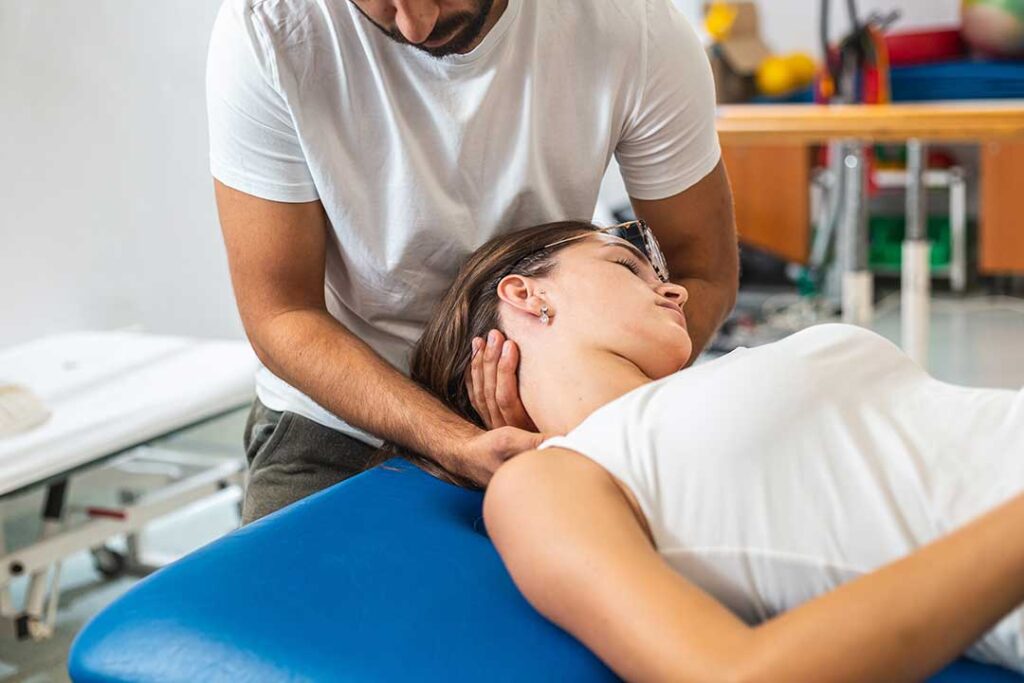
Living in Cortland, NY offers all the charms of a close-knit community, beautiful parks, and plenty of outdoor activities. But for residents who live with scoliosis, the simple joys of joining a walk at Lime Hollow or cheering at SUNY Cortland games can come with added challenges. Scoliosis—an abnormal curvature of the spine—can impact mobility, comfort, and overall quality of life. Many in the Cortland area wonder: Can chiropractic care help manage scoliosis? Let’s explore how chiropractic approaches can play a meaningful role for those seeking supportive, non-surgical options.
Understanding Scoliosis: More Than Just a Curved Spine
Scoliosis affects 2–3% of the population and is most commonly diagnosed in childhood or adolescence. The spine develops a sideways curvature that can look like an "S" or "C" shape on an X-ray. Symptoms can vary widely, including:
- Uneven shoulders or hips
- Back pain or discomfort
- Restricted movement or flexibility
- Fatigue after physical activity
Living in an active community like Cortland, even mild scoliosis can interfere with participation in sports, outdoor recreation, or simply keeping up with daily routines. Parents of young athletes at Cortland High School or SUNY Cortland students may be particularly alert to early signs.
Traditional Scoliosis Treatments: What Are the Options?
For moderate or severe scoliosis, orthopedic doctors may recommend:
- Bracing (especially for children and teens whose bones are still growing)
- Physical therapy
- Pain management strategies
- Surgery in advanced cases, primarily spinal fusion
While these treatments have proven benefits, many families and individuals seek gentler or adjunct therapies that can improve daily comfort and spinal function—especially when surgery isn’t necessary or desired. Chiropractic care is one such option increasingly discussed in communities like ours.
How Can Chiropractic Help with Scoliosis?
Chiropractic care focuses on optimizing spinal alignment, mobility, and nervous system health. While chiropractors do not "cure" scoliosis or reverse major structural curvatures, they can support people with scoliosis in several important ways:
1. Reducing Pain and Discomfort
By using gentle spinal adjustments, chiropractors can relieve pressure on joints, muscles, and nerves affected by abnormal curvature. This is especially helpful in maintaining comfort during Cortland winters, when decreased activity can make stiffness and discomfort more noticeable.
2. Improving Mobility and Flexibility
Chiropractic techniques often include stretching, mobilization, and postural guidance. These methods can reduce stiffness and support a healthier range of motion, helping Cortlanders stay active—whether shoveling snow, gardening, or enjoying a family hike at Beaudry Park.
3. Supporting Muscle Balance
Scoliosis often results in uneven muscle development, with some muscle groups tight and others weak. Chiropractors offer corrective exercises and soft tissue therapies to restore balance, which can be particularly beneficial for local student athletes or anyone wanting to maintain functional strength.
4. Enhancing Quality of Life and Preventing Further Discomfort
For many living with scoliosis, the ongoing goal is not only pain management but also the ability to participate in meaningful daily activities. Chiropractic care, when combined with other therapies (like physical therapy or yoga), can provide a holistic approach to wellness, allowing for more comfort and energy.
What to Expect During Chiropractic Visits in Cortland, NY
If you’re considering chiropractic for scoliosis, here’s a general outline of what the process looks like with a local chiropractor:
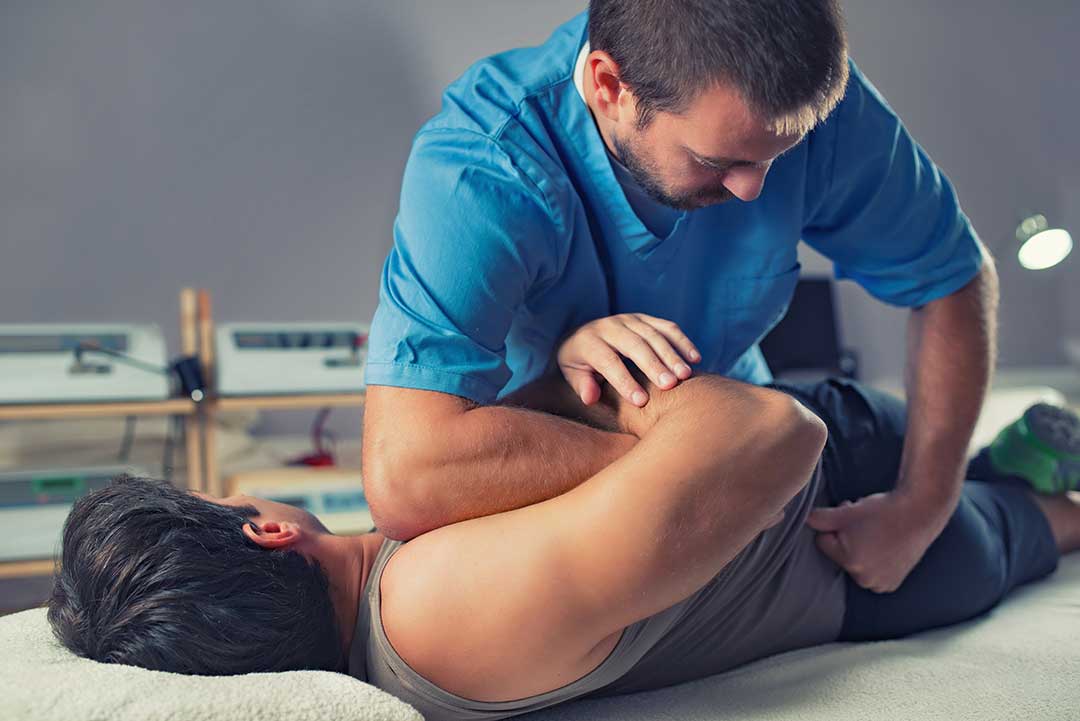
- Initial Assessment: A thorough history, physical exam, and review of X-rays (if available). This helps the chiropractor understand the specific curvature and any related muscle imbalances.
- Personalized Care Plan: Depending on age, type of scoliosis, and lifestyle needs, your chiropractor will recommend specific techniques, such as spinal adjustments, muscle therapies, and home exercises.
- Regular Monitoring: Progress is tracked over time—sometimes in coordination with your orthopedic or primary provider—to ensure your plan remains safe and effective.
- Education and Lifestyle Guidance: Tips on sitting, standing, stretching, and strengthening at home or work. In Cortland, that might mean advice tailored to area professions, college students, or those enjoying our outdoors.
Chiropractic and Integrated Care: Working with Your Medical Team
It’s important to note that chiropractors in Cortland, NY, often work together with local physicians, orthopedic specialists, and physical therapists. Integrated care offers the most comprehensive support for scoliosis. If your scoliosis requires bracing or surgery, chiropractic care can still provide valuable support before and after more intensive treatments.
Your chiropractor may recommend:
- Open communication with your primary care doctor
- Periodic imaging or orthopedic follow-ups to monitor curve progression
- Coordination of care, especially if pain flares or new symptoms develop
Is Chiropractic Right for Every Scoliosis Case?
Chiropractic care is best for those with mild to moderate scoliosis, manageable pain, and no significant neurological symptoms. Serious cases, especially those progressing rapidly or causing major mobility issues, require immediate orthopedic evaluation. But for many in Cortland, chiropractic is an approachable, community-oriented option to help manage the physical demands of local life.
Living Well with Scoliosis in Cortland
Managing scoliosis is about more than addressing a spine—it’s about empowering people to lead active, fulfilled lives in our unique community. Chiropractic care can help minimize discomfort, promote mobility, and support long-term wellness. If you or your loved one is living with scoliosis in Cortland, exploring chiropractic as part of your care team could provide new avenues for staying active and involved in all that our vibrant area has to offer.
Always consult with your healthcare provider before making new decisions about scoliosis management, especially if you experience new symptoms.
