
 See Our Latest Article on HelloNation
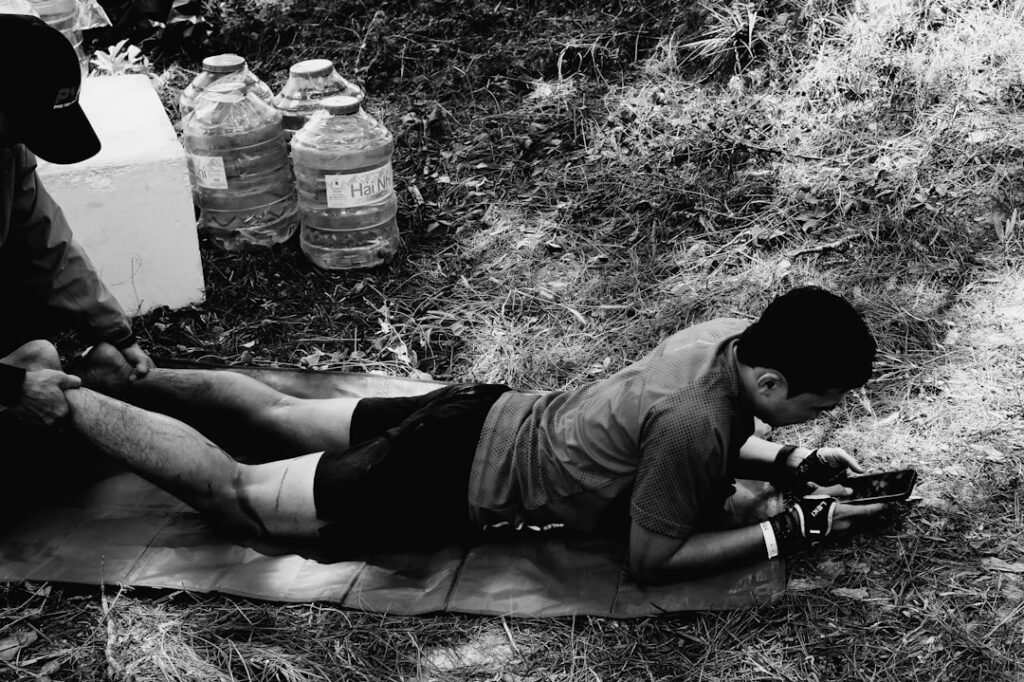
Navigating the rolling hills and scenic beauty of Cortland, NY, it's clear that an active lifestyle is woven into daily life here. Whether residents are hiking at Lime Hollow Nature Center, biking on local trails, or simply enjoying a walk through downtown, mobility is key to connecting with all that our community has to offer. But what happens when joint stiffness, muscle tightness, or chronic pain starts to limit your freedom? Many Cortland locals are seeking natural solutions for improving mobility, and as a trusted chiropractor, I’m glad to share holistic approaches that are grounded in science and supportive of our local lifestyle.
What Does “Mobility” Really Mean?
Mobility refers to the ability of your joints and muscles to move freely and efficiently. Good mobility is more than just flexibility; it’s about having the strength, stability, and range of motion needed for everyday activities. For people in Cortland, maintaining healthy mobility isn’t just about comfort—it directly impacts participation in local sports, DIY home projects, gardening, and cherished outdoor adventures.
Why Does Mobility Decline?
There are several reasons why mobility may become limited, including:
- Sedentary lifestyle—sitting at desks for work or school at SUNY Cortland
- Old injuries from athletics or recreational activities
- Chronic inflammation or arthritis
- Poor posture, especially during harsh Northeastern winters
- Age-related wear and tear
- Stress and muscle tension
Recognizing the cause is an important first step in finding the right natural solution.
Natural Solutions for Improving Mobility
Let’s explore some practical and evidence-backed ways to improve your mobility naturally—no medications or invasive procedures required.
1. Gentle Chiropractic Adjustments
Chiropractic care focuses on restoring proper alignment and movement in the spine and other joints. Gentle adjustments can help relieve pain caused by misaligned vertebrae or restricted joints. In Cortland, regular chiropractic visits are popular among school athletes, retirees, and busy parents alike, helping them stay active year-round.
Benefits include:
- Reduced joint stiffness
- Enhanced nerve function
- Improved posture
- Better circulation
2. Regular Stretching and Movement
Making movement a daily habit is essential, especially with our chilly winters that can lead to more time indoors. Aim to incorporate stretching and mobility exercises into your morning routine or during work breaks at your downtown office.
- Dynamic stretches (such as arm circles and leg swings) warm up muscles before activities like walking in Beaudry Park.
- Static stretches (like hamstring or calf stretches) help lengthen muscles after gym sessions or home workouts.
3. Soft Tissue Therapy
Soft tissue techniques, such as massage therapy or foam rolling, reduce muscle tension and improve blood flow. Local therapists in Cortland offer services that support athletic recovery or help relieve knots from shoveling snow.
- Foam rolling is easy to do at home and can target sore calves, hamstrings, and back muscles.
- Massage can help decrease inflammation, improve flexibility, and boost athletic performance.
4. Functional Strength Training
Strength training isn’t just for bodybuilders! Simple exercises strengthen muscles around your joints, making daily tasks easier. Many fitness centers and community gyms in Cortland offer group classes or personal training to help residents build practical strength.
- Bodyweight exercises like squats, lunges, and planks are accessible and effective.
- Resistance bands offer gentle strength challenges suitable for all ages.
5. Mindful Movement Practices
Mind-body exercises such as yoga and tai chi are gaining popularity across Upstate New York for their ability to blend strength, balance, and flexibility. Local community groups often host beginner-friendly sessions.
- Yoga enhances flexibility while calming the mind—a great antidote to everyday stress.
- Tai chi focuses on slow, deliberate movement, improving balance and joint stability.
6. Staying Active in Cortland’s Outdoors

Our region’s parks, trails, and seasonal activities offer natural opportunities for low-impact movement. Walking, hiking, biking, and swimming at local spots like Yaman Park or the SUNY Cortland campus athletic facilities are perfect ways to maintain mobility.
- Choose flatter trails around ponds for gentle movement.
- Try local walks or join group hikes for encouragement and accountability.
7. Anti-Inflammatory Diet
Chronic inflammation can accelerate stiffness and mobility loss. Making healthy changes to your diet—such as shopping at the Cortland Farmers' Market for fresh produce—can help fight inflammation.
- Increase intake of berries, leafy greens, nuts, and fatty fish.
- Limit processed foods, refined sugars, and saturated fats.
8. Ergonomics and Posture Support
Simple changes to your workspace or how you move through daily life can add up. Many Cortland professionals are working from home or remote locations, making it crucial to create ergonomic setups.
- Use chairs with lumbar support.
- Take breaks often for movement and stretching.
- Practice proper lifting techniques when gardening, shoveling, or moving heavy items.
When to Seek Professional Help
Natural solutions are highly effective for most people, but persistent or worsening pain should be evaluated by a healthcare professional. Chiropractors, physical therapists, and physicians in Cortland are ready to help you find the safest path to better movement.
Tips for Staying Motivated
Sticking with mobility-boosting habits can be tough, especially during busy or cold seasons. Here’s what helps many Cortland residents:
- Join local exercise classes or walking groups for social motivation.
- Track your progress in a journal or app.
- Celebrate small wins, whether that’s walking an extra block or touching your toes.
- Set realistic, seasonal goals—such as pain-free gardening in spring or skiing come winter.
Recap: Natural Steps Toward Greater Mobility
Improving mobility doesn’t require drastic measures. By adopting natural, everyday habits and taking advantage of our community’s resources, Cortland residents can enjoy better movement and quality of life at any age. Whether you’re walking the trails, playing with your grandchildren, or simply hoping for less discomfort while hauling winter gear, there are abundant, safe ways to keep moving comfortably.
For those in Cortland, remember: our vibrant, active lifestyle is within reach. Start with gentle movement, support your joints with healthy choices, and seek out the help of local health professionals as needed. Your path to improved mobility starts today—right here in the heart of Central New York.
