
 See Our Latest Article on HelloNation
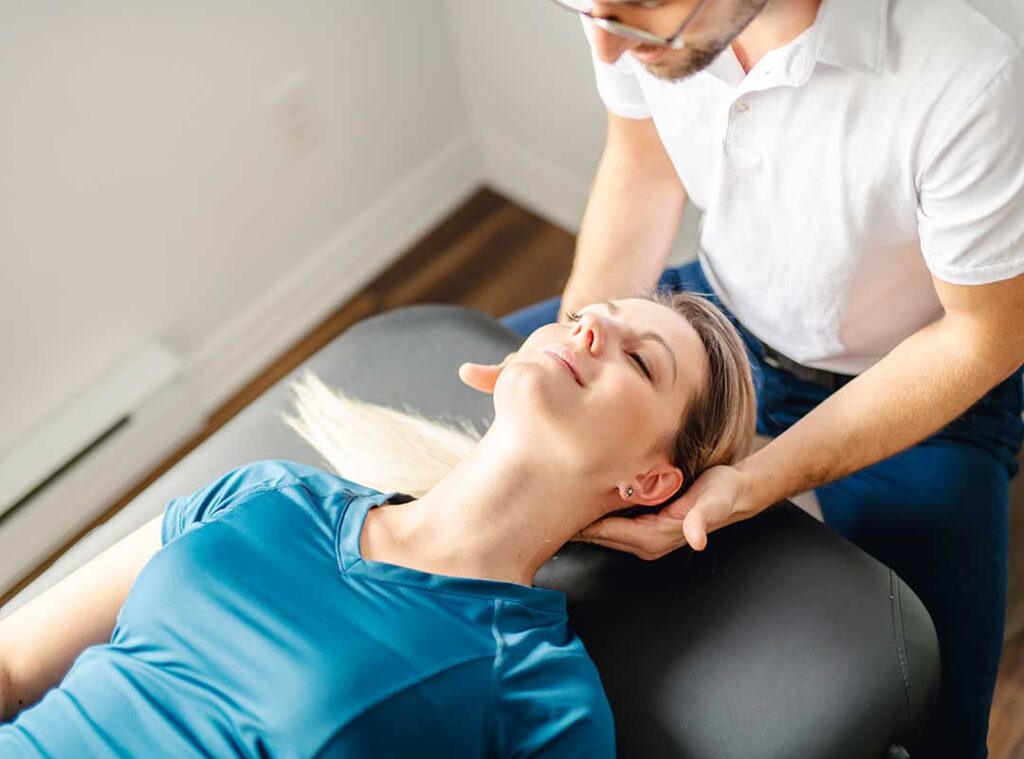
What Is Chiropractic Care and How Does It Address Pain?
Chiropractic care revolves around the assessment, diagnosis, and management of conditions related to the spine and musculoskeletal system. It is based on the idea that proper alignment of the body’s structure, particularly the spine, enables the body to function optimally and often helps relieve pain without medications or invasive procedures.
Local residents often seek chiropractic support for common discomforts like back pain, neck pain, and headaches, which are frequent due to lifestyle patterns, work habits, or repetitive activities in both office and outdoor settings within the city.
What Techniques Might Be Used by Chiropractors to Manage Pain?
Chiropractors typically use hands-on spinal manipulation and a range of other manual therapies. The aim is to restore joint mobility, improve range of motion, and decrease discomfort.
Common methods include:
- Spinal adjustments using controlled force
- Soft tissue therapies such as stretching or massage
- Rehabilitation exercises
- Guidance on posture and everyday movement
During periods of icy sidewalks or after snow shoveling, many area households experience muscle strain or minor back issues, making these techniques particularly relevant in Cortland’s colder months.
When Is Chiropractic Care Considered for Pain Management?
Chiropractic methods are most often considered when pain is related to the joints, muscles, or nerves—especially in the back, neck, or limbs. Residents may turn to chiropractic practices for:
- Acute injuries, such as muscle pulls from sports or yard work
- Ongoing issues like tension headaches or “tech neck” from digital device use
- Discomfort following seasonal home maintenance tasks
However, chiropractors do not address pain caused by infections, fractures, or underlying diseases; these require medical supervision or emergency care.
Does Chiropractic Care Replace Other Pain Treatments?
Chiropractic interventions may complement but do not universally replace other pain management strategies. Some individuals find relief using chiropractic methods alone, while others use them alongside physical therapy, medications, or guided exercise programs. Many residents report that integrating chiropractic adjustments with healthy movement reduces their reliance on painkillers for chronic back or neck discomfort.
It is common for healthcare professionals in the city to discuss a multi-disciplinary plan, especially for persistent or complex pain.
What Do Residents Typically Experience During a Chiropractic Visit?
Most visits begin with an assessment, where the chiropractor reviews symptoms, medical history, and conducts a physical examination. This may include checking posture, flexibility, and muscle or joint function.
A typical session may involve gentle manipulation, stretching, and advice about daily habits. Residents often wear comfortable clothing and should expect hands-on techniques, but chiropractors avoid invasive procedures or drugs.
Misconceptions sometimes arise; some expect aggressive “cracking,” but skilled chiropractors rely on controlled movements tailored to individual comfort, and many adjustments are gentle or subtle.

How Safe Is Chiropractic Care for Pain Relief in the Community?
Evidence shows that spinal manipulation is generally safe for most individuals when performed by a qualified professional. Local users should be aware of potential mild side effects such as temporary soreness or fatigue after treatment.
There are rare cases where individuals with certain health conditions (such as severe osteoporosis, spinal cancer, or increased risk of stroke) may be advised against manipulation. Those with significant underlying health issues should discuss their history with any health provider before starting care.
What Results Can Area Residents Expect?
Outcomes from chiropractic care vary based on the cause and duration of pain. Many local households find moderate to significant relief—especially for acute lower back or neck injuries—within several sessions. Pain from chronic conditions may take longer and might require ongoing management.
Importantly, chiropractic care often emphasizes self-management strategies, education, and injury prevention—empowering residents to adapt movements and postures in the home, workplace, or while enjoying local recreational activities.
Are There Common Misunderstandings About Chiropractic Pain Management?
A few misconceptions persist, such as:
- Belief that chiropractic is only for back pain (it can help with headaches, joint, and some nerve-related pains)
- Viewing spinal adjustments as universally “painful” (most people feel relief or mild momentary discomfort)
- Assuming once you start chiropractic care, you must return indefinitely (visit frequency depends on personal needs and progress)
Area households benefit from talking openly about goals and expectations with any healthcare provider to ensure safe and appropriate care, especially if symptoms change over time.
How Is Chiropractic Care Integrated into the Wider Pain Management Resources in the City?
In Cortland, chiropractic care is just one part of a larger menu of pain management options, which also includes services offered by primary care physicians, physical therapists, and community wellness programs. Many residents find value in blending resources based on seasonal activities, work demands, and personal goals.
Practical integration often means combining self-care (like stretching routines or ergonomic improvements in older homes) with professional guidance, especially for recurring pain after winter storms, gardening, or local athletic involvement.
