
 See Our Latest Article on HelloNation
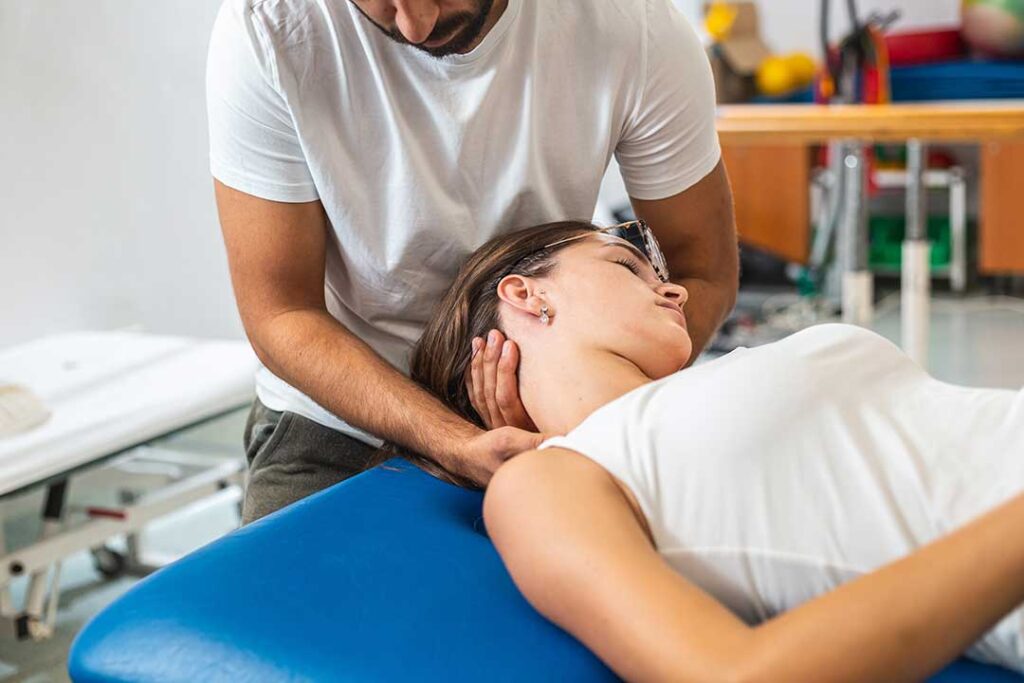
Why Do High Heels Affect Back Health?
High heels change the natural alignment of the body, affecting the way people stand and walk. This impact goes beyond feet and legs; wearing heels regularly can also influence the spine and posture.
When someone wears high heels, their weight shifts forward onto the balls of the feet. To compensate and maintain balance, the hips and upper back adjust, often increasing the natural curve of the lower spine. This posture is less stable and puts extra stress on the lower back muscles and joints.
What Happens to Your Spine and Posture in Heels?
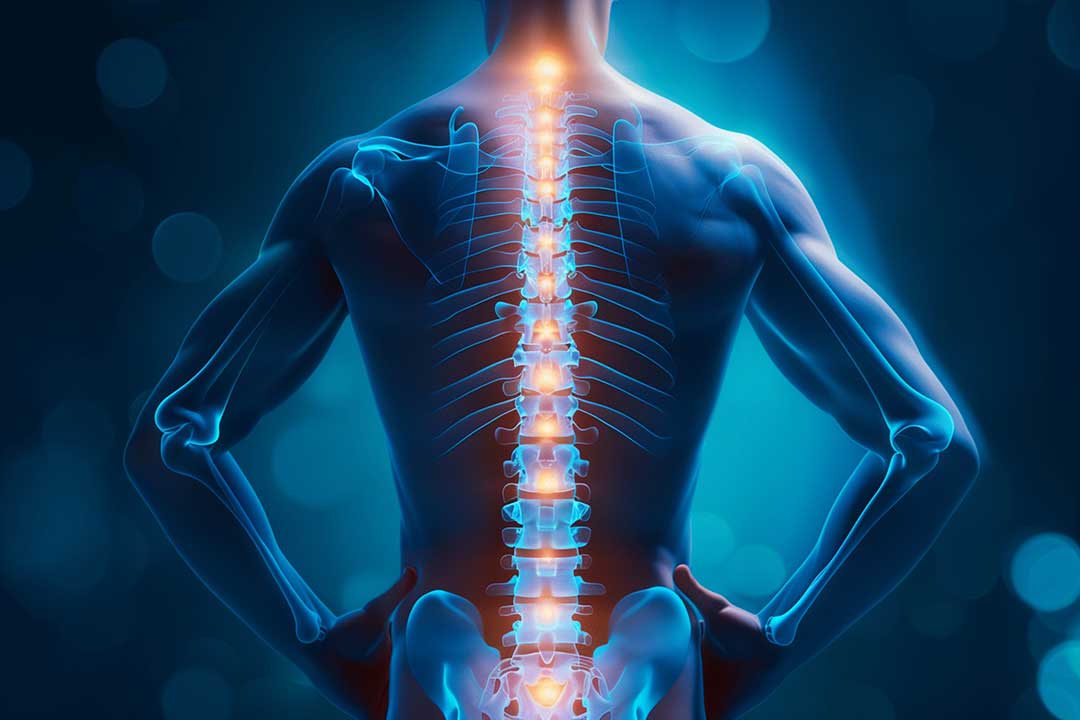
Heels force the body into an unnatural position, making it harder for the spine to maintain a healthy, neutral shape. The lower back (lumbar region) arches more when standing in heels, creating what’s known as hyperlordosis. While this may give a momentary impression of improved posture, the muscles in the back and legs have to work harder, which may lead to fatigue and strain.
Additional effects on posture may include:
- Forward tilting of the pelvis
- Increased pressure through the knees
- Upper back and neck tension from the body working to stay upright
These changes can combine over time, causing both temporary discomfort and, with frequent use, longer-term issues.
What Back Problems Are Linked to Regular High Heel Use?
Wearing high heels often or for long periods may increase the risk of several common back complaints.
- Lumbar (lower back) pain: Extra curvature in the lower back can strain muscles and spinal joints.
- Muscle fatigue: Muscles in the lower back, hips, and thighs remain under constant pressure to help with balance.
- Compressed nerves: In some cases, altered alignment may increase the likelihood of pinched nerves, especially if combined with other habits like prolonged sitting or heavy lifting.
- Poor posture habits: Over time, standing or walking in heels can lead to habitual poor posture, even when not wearing them.
Pain may come and go at first, but persistent discomfort can follow for those who wear heels daily or for long periods during work, social events, or other activities common in the city.
Are Some High Heels Worse Than Others for Back Health?
Yes, certain heel styles are more likely to contribute to aches and injury. Generally, the higher and narrower the heel, the more pressure it places on the forefoot and the more extreme the angle for the lower back.
- Stilettos and pointed-toe heels are among the hardest on the spine
- Chunkier or wedge heels distribute weight more evenly but still elevate the heel unnaturally
- Lower heels (under two inches) typically result in less strain
In community settings with frequent walking, standing, or changing weather—such as ice and slush in winter—it’s worth noting that instability from high, thin heels also increases the risk of slips and falls.
How Can Local Residents Reduce the Risks?
For people in Cortland who enjoy wearing heels occasionally, small changes can help reduce the risk of developing back pain or lasting posture changes.
Practical recommendations include:
- Limiting time in high heels, especially when walking long distances or on uneven surfaces common in the area during winter
- Choosing heels that are lower and provide more support
- Alternating footwear, opting for flats or supportive shoes part of the day
- Stretching calf muscles, hamstrings, and lower back after wearing heels
- Being mindful of posture, especially if carrying heavy bags or navigating icy sidewalks
For area residents who stand for many hours at work or attend local events, switching to supportive footwear during commutes and changing into heels onsite can also help protect back health.
What Are Common Misconceptions About Heels and Back Pain?
Some believe that only very high heels pose a problem, but even moderate heels can impact posture when worn regularly. Others think that discomfort is always felt right away; in reality, issues can build gradually, and pain might not appear until later in the day or after years of exposure.
Another misconception is that younger people are less affected. In fact, anyone—regardless of age or activity level—can experience back discomfort from poorly fitting or high-heeled shoes with enough use.
Practical Tips for Everyday Life in the Area
Living in a region with changing seasons and mixed-use streets, residents encounter a range of surfaces and walking conditions. Choosing shoes that balance style and support can spare the back from unnecessary strain.
Some local strategies:
- Keep supportive shoes handy for walks, errands, or navigating snow and rain
- Use cushioned insoles or gel pads to lessen pressure from heels
- Pay attention to back stiffness after local events or social gatherings involving prolonged standing in heels
Simple awareness and making informed choices go a long way in minimizing discomfort.
