
 See Our Latest Article on HelloNation
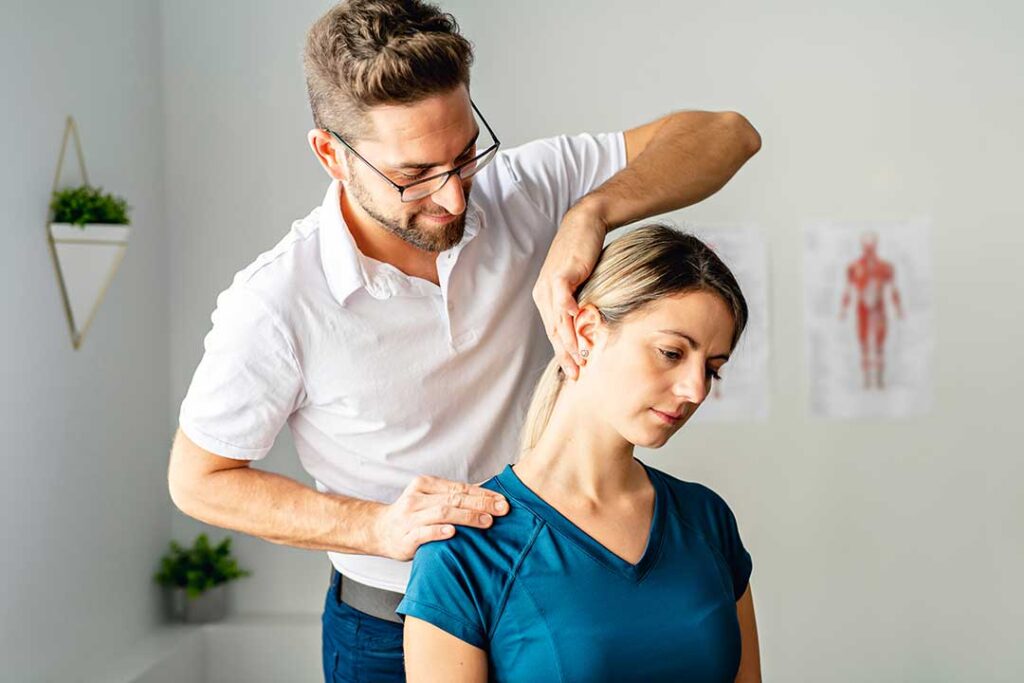
Why Do Minor Aches and Pains Matter?
Even mild discomfort or stiffness can signal early changes in your body’s structures or function. For residents in Cortland, everyday activities like shoveling snow, yard work, or walking on uneven sidewalks can strain joints or muscles. Often, local residents hope these issues will disappear on their own, but ignoring them may make future problems worse.
While small aches might not stop you from your daily routine, they can be warning signs that deserve attention. Consistently overlooking symptoms risks developing more serious, longer-lasting conditions that are harder to manage as time passes—especially in a place where winters are harsh and physical demands change with the seasons.
What Happens If You Wait Too Long?
Delaying attention for nagging pain often allows issues to build up until simple solutions no longer work. Early aches and pains might represent:
- Muscle imbalances from repetitive tasks or sedentary habits (like sitting too long during snowy days)
- Strained ligaments, which may start as mild soreness after raking leaves or a minor slip on ice
- Small joint misalignments, potentially triggered by shoveling heavy snow or carrying groceries up the stairs
In the context of Cortland’s changing seasons and sometimes slippery or uneven terrain, these seemingly harmless discomforts can translate into long-term problems like chronic back pain, recurring headaches, or restricted mobility. The sooner small concerns are recognized, the less likely they are to become part of daily life.
Can Small Issues Really Lead to Major Health Problems?
Yes—what feels “minor” now can progress if the underlying cause persists. For example, mild lower back pain from snow shoveling, if unaddressed, might lead to:
- Persistent muscle stiffness that limits participation in community or family activities
- Reduced flexibility, making routine indoor and outdoor chores more cumbersome
- Postural changes or gait alterations that cause stress in other areas over months or years
Left alone, the body adapts around pain through compensations, creating a cycle of dysfunction. In Cortland, day-to-day tasks such as getting in and out of the car during icy conditions or reaching up to clear gutters can magnify barely noticeable aches into avoidable injuries.
What Are Common Causes of Minor Aches in the Community?
Every community faces local patterns that contribute to aches and pains. In the Cortland area, these often include:
- Seasonal sports like skiing, skating, or hiking, which strain certain joints or muscles
- Housework unique to the area (e.g., shoveling, raking, and climbing stairs in older homes)
- Prolonged sitting indoors during the winter, leading to tight hips or back tension
- Increased use of home improvement tools during warm months, sometimes with outdated equipment or awkward body positioning
Recognizing the specific everyday activities that aggravate or create discomfort can help area households prevent escalation of these issues.
Are There Safe and Simple Ways to Respond to Minor Discomfort?

Most minor discomforts can be managed early with straightforward self-care. Local residents can often find relief by:
- Alternating between rest and gentle movement, especially after strenuous tasks
- Using cold or heat packs on sore areas following physical work or outdoor activity
- Practicing stretches tailored to the season (for instance, focusing on hips and back after winter shoveling or legs after yard clean-up)
- Paying close attention to posture, both indoors and outdoors
If a minor ache is accompanied by swelling, persistent numbness, or loss of movement—or if discomfort doesn’t improve with rest—a more thorough medical evaluation may be necessary.
What Misconceptions Do Residents Commonly Hold?
A widespread myth is that “everyone gets sore sometimes” and that minor pain is a normal part of aging or life in an active community. While occasional stiffness happens, persistent or recurring pain signals something more. Another misconception is that rest alone will resolve all discomfort. In reality, targeted movement, regular stretching, and attention to ergonomic habits are often just as important.
Additionally, many believe that only severe pain is worth addressing. Small problems are easier to resolve if acted upon early rather than after they develop into chronic pain patterns.
How Do Local Conditions Affect Aches and Pains?
Cortland’s climate and built environment bring unique risks. Icy sidewalks in winter or damp conditions in early spring can prompt slips that seem insignificant but might leave subtle strains. Historical or multi-story homes often require more stair climbing, and the area’s rolling slopes mean residents frequently walk on uneven ground.
Each of these factors can stress the body over time, so residents benefit from noticing and responding to aches while they are still manageable.
When Is It Time to Seek Further Help?
If discomfort is persistent, intensifies over time, limits your ability to work, care for family, or enjoy hobbies—even after trying common-sense self-care—it may indicate a deeper problem. While most mild issues resolve with attentive care, symptoms like numbness, tingling, catching sensations in joints, or pain that disrupts sleep should be taken seriously and evaluated by a healthcare provider.
Proactive self-awareness, along with responsible habits appropriate for Cortland’s seasonal and geographic realities, can help local families keep minor aches from reducing their quality of life.
