
 See Our Latest Article on HelloNation
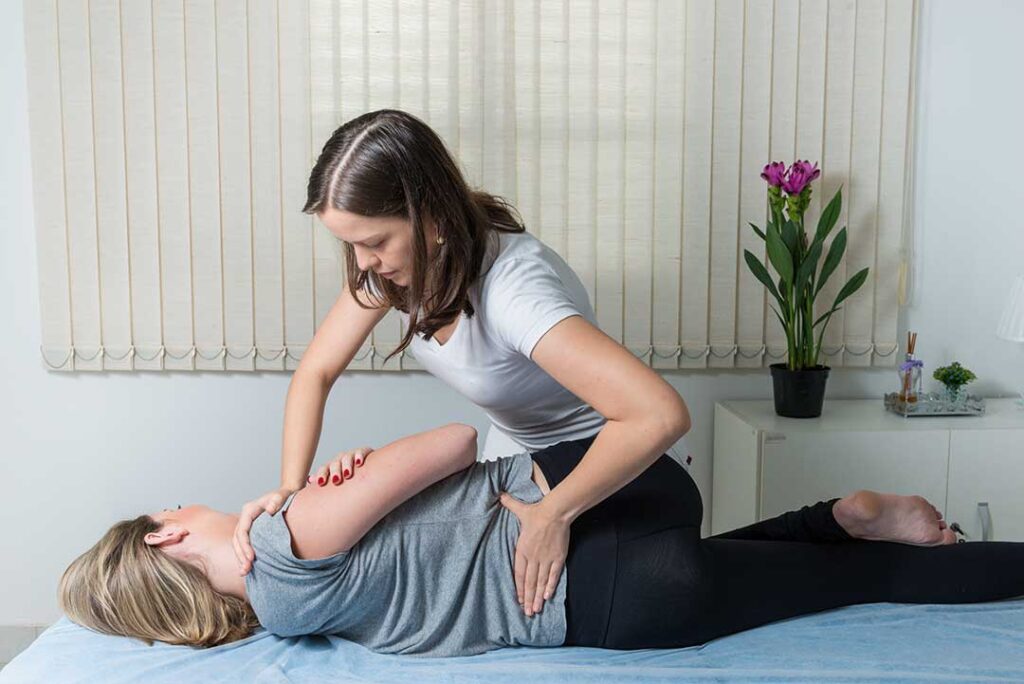
Pain does not always appear at the location where a problem begins. A person may feel discomfort in the shoulder even though the source is in the neck, or experience pain in the leg because of irritation near the lower back. This pattern is called referred pain.
For residents of Cortland, NY, referred pain can be especially confusing during physically demanding seasons. Shoveling, gardening, home maintenance, long drives, recreational activities, and extended periods indoors during cold weather can all change how the spine, joints, and muscles are used. Understanding the difference between referred pain and pain caused by a local injury can help people choose safer next steps.
What is referred pain?
Referred pain is discomfort felt in one area even though the underlying irritation is located somewhere else. It occurs because nerves from different tissues may send signals through related pathways in the spinal cord and brain.
The nervous system does not always identify the exact source of a pain signal. As a result, irritation in the neck may be experienced in the upper back, shoulder, or arm. Problems involving the lower back may be felt in the buttock, hip, or leg.
Referred pain is different from pain that travels along a nerve. A compressed or irritated nerve may produce burning, tingling, numbness, or electric-shock-like pain along a recognizable path. Referred pain is often more vague, aching, or difficult to trace.
Common examples include:
- Neck joint or muscle irritation felt near the shoulder blade
- Lower-back discomfort felt in the buttock or upper thigh
- Hip-related problems felt in the groin or knee
- Irritation in the upper back that feels like discomfort around the ribs
The location of pain alone is not enough to identify its cause. A careful history and physical examination are needed.
How can someone tell whether pain is referred?
Referred pain often feels diffuse and may change with movement, posture, or pressure applied to another area. For example, turning the neck might increase discomfort near the shoulder, or moving the lower back might reproduce symptoms in the buttock.
Pain caused by a local muscle strain is more likely to be tender directly over the injured tissue. Nerve-related pain may include numbness, pins-and-needles sensations, weakness, or pain that follows a narrow path into an arm or leg.
These patterns can overlap. A person may have both local soreness and referred symptoms after lifting, falling, working overhead, or remaining in one position for too long. Symptoms that are persistent, worsening, or associated with weakness deserve more careful evaluation.
What role can chiropractic care play?
Chiropractic care commonly focuses on evaluating musculoskeletal causes of pain involving the spine, joints, muscles, and related movement patterns. Depending on the findings, care may include education, exercise guidance, joint mobilization, soft-tissue techniques, or spinal manipulation.
Spinal manipulation is one nondrug option studied for low-back pain. Evidence reviewed by the National Center for Complementary and Integrative Health suggests that it may provide modest improvements in pain and function for some adults, but it is not appropriate for every cause of pain and is not a universal treatment. Other options may include remaining physically active, structured exercise, physical therapy, medication, or medical evaluation. ([nccih.nih.gov](https://www.nccih.nih.gov/health/spinal-manipulation-what-you-need-to-know?utm_source=openai))
A responsible evaluation should not focus only on the painful body part. It may consider:
- When the pain began and whether there was an injury
- Whether symptoms change with walking, sitting, lifting, or sleeping
- Strength, sensation, reflexes, balance, and range of motion
- Current medications and health conditions
- Previous episodes, surgeries, fractures, or inflammatory disorders
- Symptoms that could indicate a non-musculoskeletal problem
The purpose of this process is to determine whether conservative care is reasonable, whether another type of evaluation is needed, or whether urgent medical attention is more appropriate.

Can chiropractic treatment make referred pain worse?
Temporary soreness, stiffness, or an increase in discomfort can occur after spinal manipulation or mobilization. These effects are usually mild and short-lived, but treatment risks vary according to the technique, the area treated, and a person’s medical history. Serious complications are rare, yet they have been reported. Thorough screening matters, particularly before neck manipulation. ([nccih.nih.gov](https://www.nccih.nih.gov/health/spinal-manipulation-what-you-need-to-know?utm_source=openai))
People should mention conditions such as osteoporosis, recent trauma, bleeding disorders, cancer, infection, inflammatory arthritis, vascular disease, pregnancy, or significant neurological symptoms before receiving hands-on treatment. Sudden or forceful neck techniques may not be appropriate for everyone.
A person should also be cautious about any explanation that claims every symptom comes from a spinal “misalignment” or promises that one technique will resolve unrelated medical conditions. Referred pain has several possible causes, and treatment should be based on the full clinical picture.
When is referred pain a medical warning sign?
Pain that seems musculoskeletal can occasionally reflect a problem involving the heart, lungs, abdominal organs, blood vessels, or nervous system. Urgent medical evaluation is appropriate for symptoms such as:
- Chest pressure, crushing pain, or chest discomfort with sweating, nausea, dizziness, or shortness of breath
- Sudden severe pain without a clear physical cause
- New weakness, loss of coordination, facial drooping, confusion, or difficulty speaking
- Loss of bladder or bowel control, or numbness around the inner thighs and groin
- Fever with severe neck or back pain
- Abdominal pain with marked tenderness, fainting, persistent vomiting, or a rigid abdomen
- Pain after a significant fall, collision, or other trauma
Chest discomfort may spread to the back, neck, jaw, shoulder, or arm, and should not automatically be assumed to be a spine or muscle problem. Emergency symptoms require emergency services rather than manipulation or home stretching. ([medlineplus.gov](https://www.medlineplus.gov/ency/article/001927.htm?utm_source=openai))
What information should a person track?
A brief symptom record can make an evaluation more useful. Note the location, quality, intensity, and timing of the pain, along with activities that improve or worsen it. Record whether there is numbness, tingling, weakness, fever, unexplained weight loss, or sleep disruption.
Local conditions may also provide clues. Winter footwear, icy surfaces, snow removal, commuting, and prolonged indoor sitting can alter posture and movement. In warmer months, sudden increases in yardwork, cycling, walking, or recreational activity may overload tissues that have not been used regularly.
The most useful question is not simply, “Where does it hurt?” It is, “What pattern does the pain follow, what other symptoms accompany it, and what movements reproduce it?” That distinction helps separate ordinary musculoskeletal referred pain from conditions requiring a different form of care.
