
 See Our Latest Article on HelloNation
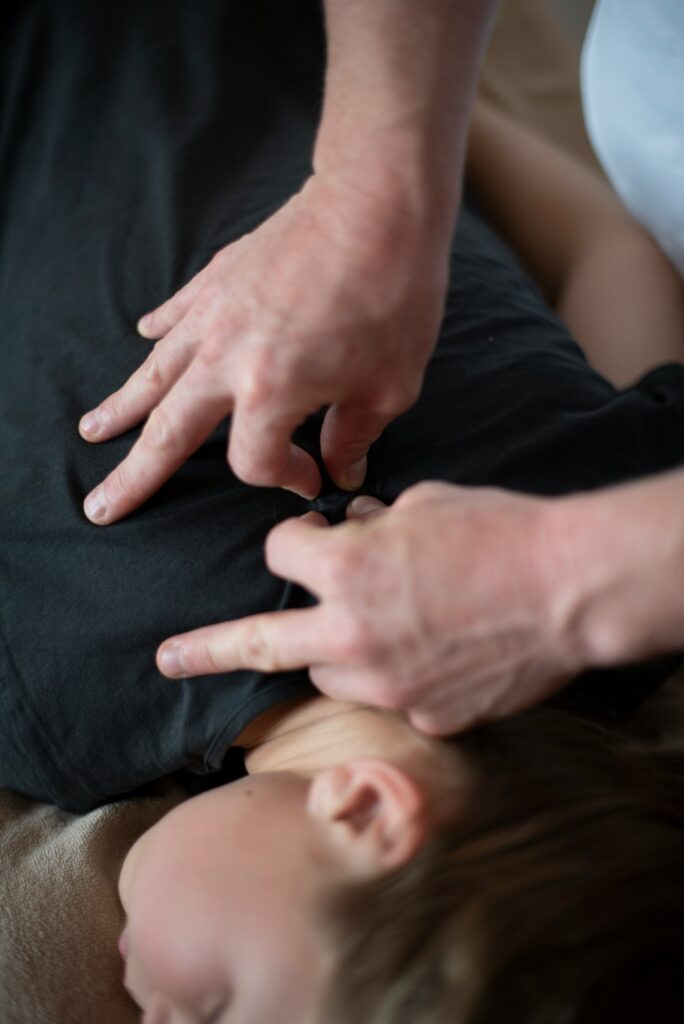
Chiropractic care continues to gain popularity across the United States, including right here in Cortland, New York. Nestled between the Finger Lakes and surrounded by a community that values outdoor activities, college sports, and agricultural work, Cortland residents often seek chiropractic services for a variety of reasons—back pain, headaches, sports injuries, and more. However, questions and concerns about the safety of chiropractic adjustments are common, especially for those new to this approach to health and wellness. This blog aims to answer some of those key questions, highlight what modern research says about chiropractic safety, and address the unique needs of the Cortland lifestyle.
What Are the Most Common Concerns About Chiropractic Safety?
Patients and their families often have several safety-related questions when considering chiropractic care. Here are the most frequent concerns:
- Is chiropractic care scientifically supported?
- Are spinal adjustments safe for everyone?
- Can adjustments worsen existing conditions?
- What side effects should patients expect?
- How well are chiropractors trained to handle emergencies?
Let’s address these concerns one by one, focusing on evidence-based answers and practical tips for the Cortland community.
Is Chiropractic Care Scientifically Supported and Safe?
Over the years, many studies have evaluated the risks and benefits of chiropractic care. The consensus among medical organizations—including the American Chiropractic Association and even the Mayo Clinic—is that spinal manipulation, when performed by a licensed chiropractor, is considered generally safe for most people. It’s important to note:
- Serious complications are extremely rare.
- Mild side effects, like muscle soreness or fatigue, may occur in some people after an adjustment, but these typically resolve within a day or two.
- Multiple research studies have found chiropractic adjustments to be effective in alleviating certain types of pain, particularly low back pain and headaches.
Cortland, with its active residents—from SUNY Cortland athletes to local farmers—benefits from healthcare options that prioritize safety and mobility. Chiropractic care, when appropriately applied, fits this mold for most community members.
Who Should Avoid Chiropractic Adjustments?
Chiropractors are trained to perform thorough patient evaluations and take detailed health histories before making any adjustments. There are some situations where chiropractic care may not be appropriate, such as:
- Patients with severe osteoporosis or bone cancer
- People with an increased risk of stroke due to specific blood vessel abnormalities
- Those with certain types of spinal instability or fractures
If you live in Cortland and are considering chiropractic care, always share your full health history, including any recent surgeries, chronic conditions, or unusual symptoms, with your chiropractor. Local practitioners work closely with other healthcare providers to ensure an integrated, safe approach.
Can Chiropractic Adjustments Make Problems Worse?
A common myth is that spinal adjustments might “slip a disc” or move bones in a dangerous way. In reality, chiropractors use highly controlled, gentle techniques tailored to your age, body type, and health condition. Serious injuries from chiropractic adjustments—like nerve damage or herniated discs—are exceedingly rare, with risk levels similar to everyday activities such as playing recreational sports or shoveling snow (which we know happens a lot in Cortland winters!).
Most people experience positive effects, such as:
- Relief from chronic pain
- Improved range of motion
- Reduced tension and muscle spasms
If pain worsens after treatment or if you notice any new, odd symptoms, report them right away. Honest communication with your chiropractor is key to safe, effective care.
What Side Effects Should I Expect After Chiropractic Care?
For the majority of patients, side effects are minor and short-lived. You might feel:
- Mild soreness in the treated area
- Temporary headache or fatigue
- A sense of warmth or tingling as tissues adjust
These symptoms typically last a few hours up to a day. They can be minimized by drinking water, applying ice or heat as recommended, and engaging in gentle movement. In Cortland, where residents often transition from working at a desk to hiking the local trails, these side effects are much like the muscle soreness you’d expect after trying a new exercise.
If you experience severe or persistent pain, numbness, or other concerning symptoms, contact your chiropractor or another healthcare provider immediately.

How Are Chiropractors Trained to Ensure Patient Safety?
Chiropractors in New York undergo rigorous education:
- Nearly seven years of higher education, including specialized training in anatomy, neurology, orthopedics, and radiology
- National and state board exams
- Continuing education to stay current with advances in healthcare and patient safety
Local chiropractors in Cortland are also familiar with the specific needs of our community, including sports injuries (think Red Dragons athletics!), repetitive stress from farm work, or winter slips and falls.
Integrating Chiropractic Care With the Cortland Lifestyle
Cortland’s active population includes outdoor enthusiasts, college students, and hardworking families. Residents benefit from chiropractic treatment by:
- Maintaining mobility for seasonal activities like hiking at Lime Hollow or skiing at Greek Peak
- Managing pain from daily commutes, sports, or physically demanding jobs
- Promoting wellness and early intervention before minor aches turn into bigger problems
Chiropractic care isn’t a “one size fits all” solution, and reputable chiropractors collaborate with local physicians, physical therapists, and other healthcare providers to create customized treatment plans for each individual.
What Should Cortland Residents Ask Before Their First Chiropractic Visit?
To ensure safety and peace of mind, ask potential chiropractors:
- Are you licensed in New York State?
- How do you determine whether chiropractic care is appropriate for me?
- What types of diagnostic methods do you use?
- How do you handle emergencies?
Don’t hesitate to discuss your concerns openly. Reputable chiropractors welcome your questions and strive to provide a transparent, comfortable care experience for all Cortland residents.
The Bottom Line on Chiropractic Safety
For most people in Cortland, chiropractic care is a safe and effective option for addressing pain, improving mobility, and supporting an active lifestyle. Like all medical treatments, it’s not without risks, but those risks are low and can be further minimized by choosing a licensed, experienced practitioner, sharing your health information, and maintaining regular communication.
With Cortland’s commitment to wellness, community connection, and outdoor living, chiropractic care—when based on trust and safety—can play an important role in helping you thrive.
Have more questions about chiropractic safety? Reach out to a trusted local provider or consult reputable sources such as the New York State Board of Chiropractic or your family physician.
