
 See Our Latest Article on HelloNation
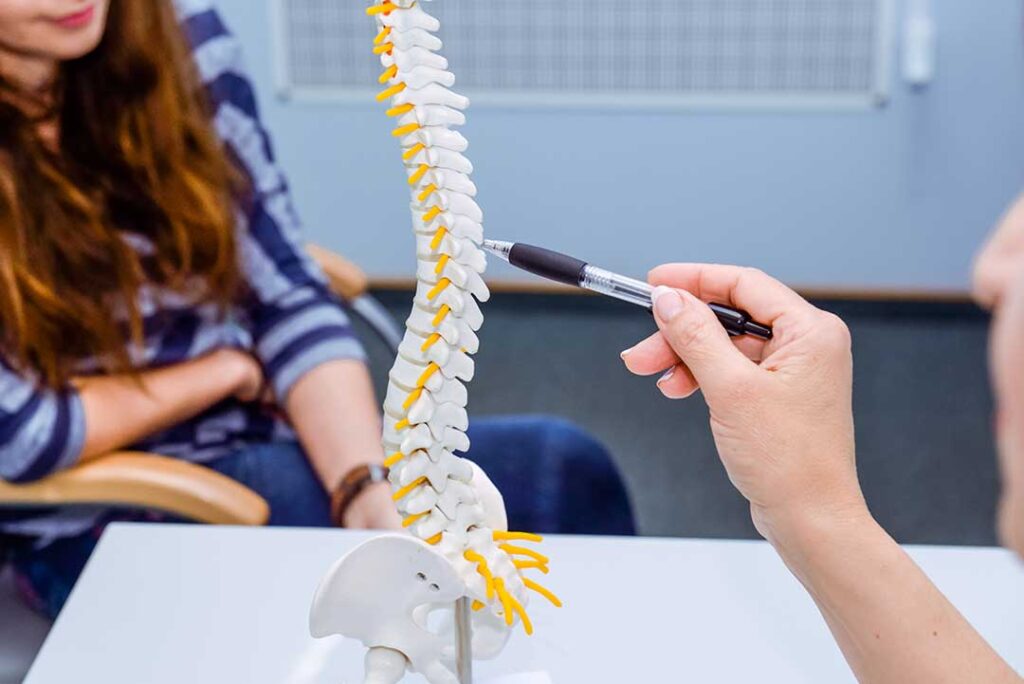
What Does Core Strength Mean for Spinal Health?
Core strength refers to the stability and support provided by muscles in the abdomen, lower back, and pelvis. These core muscles act as a natural brace for the spine, helping maintain healthy alignment and reducing unnecessary strain on the joints and vertebrae. When these muscles are weak, everyday movements can put extra pressure on the back, increasing the chance of discomfort or injury.
In Cortland, NY, daily life might involve shoveling snow, gardening, or climbing stairs in multi-story homes, all of which rely on strong core muscles for safe movement and balance. Strengthening the core is a proactive way to protect the back during such activities.
How Does the Core Protect Your Back?
A strong core acts like a built-in support system for the spine. By holding the trunk stable, core muscles help distribute physical loads more evenly and prevent excessive movement that might stress the back.
- The abdominal muscles support the front and sides of the spine.
- The muscles along the lower back help maintain erect posture.
- The pelvic muscles act as a foundation for everyday motion.
For area residents who spend time walking local trails or raking leaves, a stable and strong midsection lessens the risk of back aches after active weekends or seasonal chores.
Are Low Back Problems Linked to Weak Core Muscles?
Weak core muscles are a common factor in many low back complaints. When the core is underdeveloped, even basic activities like lifting a laundry basket or standing for long periods can strain the back.
In the city, it’s not uncommon for routine household tasks or local outdoor recreation to aggravate this weakness. Many people don’t recognize how much their back relies on coordinated core support until they experience aches or muscle fatigue. Consistent core work can make daily tasks much more comfortable and sustainable.
What Happens When the Core Is Neglected?
Lack of core strength can lead to poor posture, balance issues, and an increased chance of injury. Over time, it may also contribute to ongoing spinal discomfort and make other joints—such as hips or shoulders—work harder to compensate.
Residents who sit for long hours at a desk, commonly seen in office-based jobs or remote work setups in Cortland, may notice that slouching or discomfort gets worse when the core is weak. Simple exercises, done consistently, are a practical way to break this cycle.
What Are Practical, Everyday Core Strengthening Strategies?
There’s no need for complicated equipment or exercises; building core strength can be part of regular routines:
- Walking briskly on local sidewalks or trails engages deep core muscles, especially on uneven ground.
- Sitting on an exercise ball for short periods instead of a chair helps train stabilizing muscles.
- Gentle routines like planks or side bridges take only a few minutes and can be done at home.
Always start gradually—focus on control and form rather than intensity. People with medical conditions or recent injuries should seek guidance before attempting new activities.
Are There Misconceptions About Core Exercise?
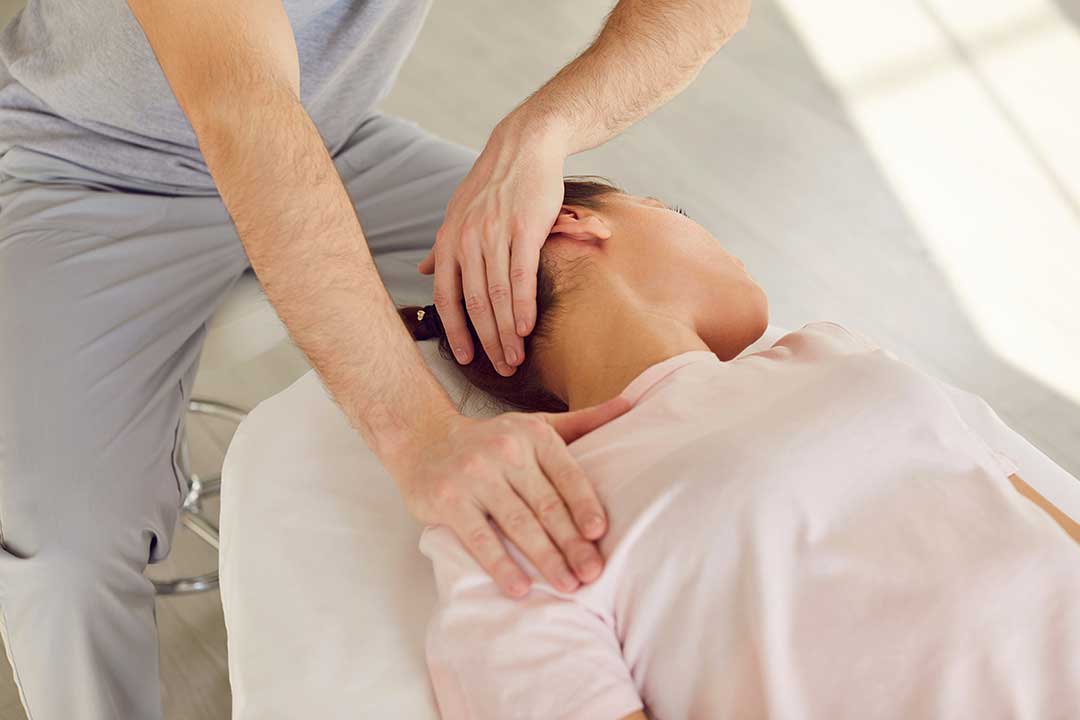
A common misconception is that core work only means doing sit-ups or crunches. In reality, these exercises target only a portion of the core muscles. True core development involves the whole midsection—front, back, and sides—using a variety of movements, not just flexion.
Another mistaken belief is that only athletes or fitness enthusiasts need a strong core. In fact, core strength benefits all age groups and lifestyles, including children, older adults, and those with limited mobility. Everyday actions such as reaching for a pantry shelf or getting in and out of cars are easier and safer with a strong and stable trunk.
How Can Residents Incorporate Core Work Into Busy Schedules?
Many people in the local community juggle work, school, and household responsibilities. Core strengthening doesn’t have to mean setting aside large blocks of time.
- Integrate short core exercises into daily routines—such as a plank hold during TV commercials or standing leg lifts while brushing teeth.
- Include core activation in tasks that require reaching, twisting, or lifting.
- Try guided online routines that fit various ages and skill levels.
Even a few consistent minutes most days can contribute noticeably to strength and stability.
What Local Factors Influence Spinal Health?
In a climate with seasonal weather changes, slippery conditions and heavy snow can present extra challenges. A stable core is especially helpful for preventing slips, falls, and strains during winter months. Community activities like walking, cycling, or participating in local recreational leagues also demand midsection support for comfort and injury prevention.
For households with older adults, core strength is closely tied to balance and fall prevention, which becomes increasingly important with age.
When Should Back or Core Pain Be Taken Seriously?
While mild, temporary soreness is common with new activity, persistent or severe pain should not be ignored. Back pain that radiates to the legs, causes numbness, or makes mobility difficult may signal a condition requiring medical assessment.
If there’s ever sudden or unexplained weakness, incontinence, or loss of coordination, seek prompt evaluation, as these may point to more serious spinal or neurological issues.
