
 See Our Latest Article on HelloNation
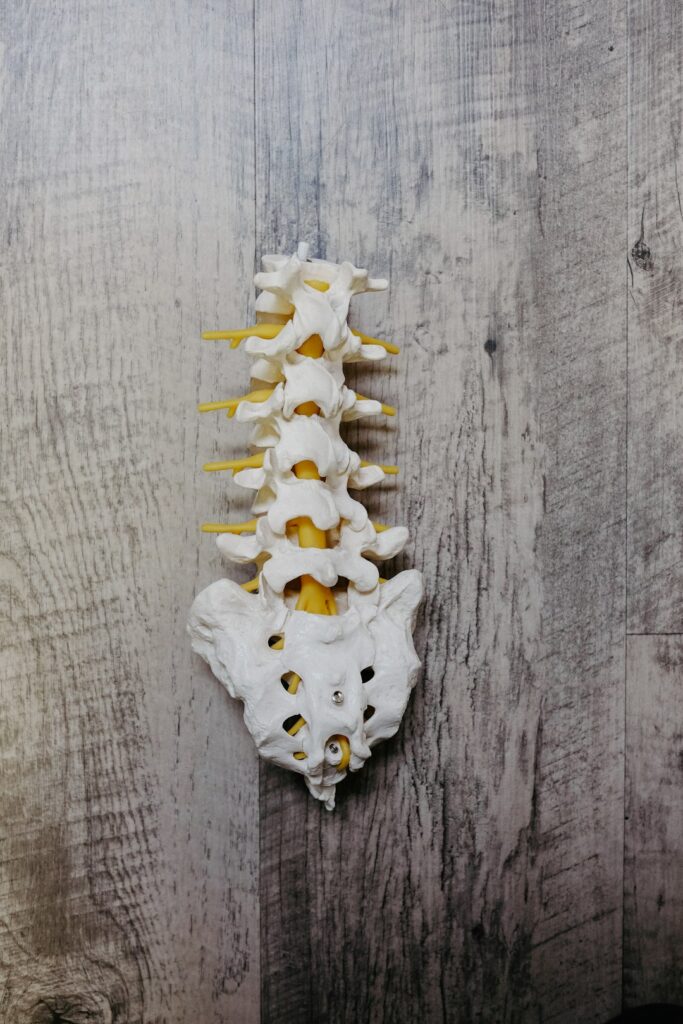
Living in Cortland, NY, you quickly become aware of the importance of maintaining balance—whether you're hiking the trails at Lime Hollow Nature Center, embracing the slopes at Greek Peak, or simply navigating icy sidewalks in winter. However, for many, balance is more than just a concern when being active outdoors. Persistent dizziness, unsteady walking, or a frequent sensation of swaying may point to underlying balance problems, which are surprisingly often linked to spinal alignment.
Understanding the Connection Between Balance and the Spine
Balance is a complex process involving the brain, inner ear, eyes, and proprioceptors in our muscles and joints. The spinal column plays a central role, acting as the primary pathway connecting your brain to the rest of your body. When the spine is out of alignment—what chiropractors call "subluxation"—nerve signals can be disrupted, impacting your body’s ability to stabilize itself.
Spinal misalignments can affect:
- Proprioception (your sense of body position in space)
- Nerve communication between the brain and body
- Muscle coordination and response time
- Postural reflexes necessary for balance
When the spine is not properly aligned, these systems can falter, making everyday tasks—from walking your dog at Suggett Park to carrying groceries home from the Cortland Farmers’ Market—more challenging and even unsafe.
Common Causes of Balance Issues in Cortland, NY
The local lifestyle in Cortland contributes to both our well-being and, sometimes, our risk factors for balance problems:
- Weather-Related Slips and Falls: Winter ice and snow increase the risk of falls, which can result in spinal misalignments or exacerbate existing ones.
- Active Living: Engaging in sports, hiking, or outdoor recreation is great for health but can occasionally lead to minor injuries or repetitive strains that shift spinal alignment.
- Sedentary Habits: On the flip side, colder months or jobs requiring long periods at a desk can weaken postural muscles, leading to poor alignment and balance issues.
Understanding these local factors can help Cortland residents proactively address the root cause of balance challenges.
How Do You Know If Balance Issues Are Linked to Your Spine?
You may be experiencing spinal-related balance problems if you notice one or more of the following:
- Regular dizziness or lightheadedness
- Needing to hold onto furniture or walls when moving around at home
- Difficulty adjusting on uneven terrain, like hiking trails or icy sidewalks
- Noticeable muscle stiffness or pain in the neck or lower back
- Uneven wear on shoes or feeling like one leg is longer than the other
- Headaches, especially after standing or walking for long periods
If any of these sound familiar, it may be time to consider how spinal health influences your sense of balance.
Chiropractic Care and Balance: What Research Shows
Chiropractic care focuses on ensuring the spine is aligned and functioning optimally. Multiple studies support the premise that chiropractic adjustments can improve balance, particularly for older adults or those recovering from injuries.
When spinal misalignments are corrected, patients often report:
- Fewer episodes of dizziness
- More confidence when walking, especially on uneven ground
- Improvement in postural stability and coordination
- Reduced risk of future falls
This is especially valuable in Cortland, where winter falls are common and outdoor recreation is a year-round pursuit.
Holistic Ways to Support Balance and Spinal Health

While chiropractic care is a cornerstone, maintaining great balance involves a holistic approach. Here are some simple, Cortland-friendly habits to support your body:
- Stay Active: Participate in local walking groups or community fitness classes to keep postural muscles strong.
- Practice Balance Exercises: Stand on one foot while brushing your teeth, try gentle yoga at home, or use a balance board.
- Mind Your Footwear: Choose shoes with solid grip for snowy streets and proper support for daily walks.
- Stay Hydrated and Eat Well: Proper hydration and nutrition support neural and muscular health, which are crucial for balance.
- Pay Attention to Warning Signs: Don’t ignore dizziness, frequent falls, or neck/back pain after slips—these are signals your spine may need attention.
Cortland Chiropractic: A Local Resource for Balance Concerns
If balance problems are affecting your enjoyment of all that Cortland has to offer, chiropractic care is a natural step to investigate. Local chiropractors are familiar with the lifestyle factors affecting residents and can tailor care to your needs.
What to expect during a visit:
- A thorough spinal assessment
- Specific adjustments to improve alignment
- Guidance on exercises to continue progress at home
- Education on posture and fall prevention relevant to the Cortland area
Prompt attention to balance issues can help you stay safe, active, and engaged in our vibrant local community.
When Should You Seek Professional Help?
If you’re experiencing persistent or worsening balance problems, especially after an injury or fall, don’t wait. Early intervention is key—not only to prevent further complications but to ensure a full return to daily activities, from attending SUNY Cortland games to enjoying the local parks with your family.
Remember: balance is not just about avoiding falls. It’s foundational for enjoying life to the fullest in Cortland, NY.
Conclusion: Take Steps Toward Better Balance
Balance problems can stem from many causes, but spinal alignment is often a major—yet overlooked—factor. By addressing your spinal health, you can take meaningful steps toward improved stability, reduced risk of injury, and a higher quality of life.
If you have questions about how chiropractic care in Cortland can help with your balance concerns, reach out to a local specialist for a personalized assessment. Stay aligned, stay steady, and enjoy everything our wonderful community has to offer in every season.
