
 See Our Latest Article on HelloNation
Introduction: Why Spinal Health Matters for Everyday Life
For many residents of Cortland, New York, life is all about balance. Whether you're cheering on SUNY Cortland athletic teams, hiking in Lime Hollow Nature Center, or enjoying the simple pleasures of small-town living, your spinal health plays a bigger role in your quality of life than you might realize. Understanding how your spine impacts your daily activities can help you optimize your well-being and stay active for years to come.
The Role of the Spine in Overall Health
Your spine is more than just a bony structure; it's the central support system for your body. The vertebral column houses and protects the spinal cord, which connects your brain to the rest of your body. From simple movements like picking up groceries at the Cortland Farmer's Market to strenuous activities like skiing at Greek Peak, the spine is the foundation of it all.
A healthy spine:
- Supports posture and alignment
- Enables flexible movement
- Facilitates nerve communication
- Absorbs daily shocks and stresses
When spinal health is compromised, the effects can ripple through your entire body, leading to pain, limited mobility, and even emotional challenges.
Everyday Activities and Spinal Stress in Cortland
Cortland's community is known for its active lifestyle. Residents often engage in outdoor recreation, seasonal sports, gardening, and walking along the Tioughnioga River. These activities, while beneficial for health, can put repetitive stress on the spine if proper posture and care are not maintained.
Sedentary jobs, such as work at one of Cortland’s manufacturing facilities or long hours of remote work from home, can also contribute to back and neck pain due to poor ergonomic setups.
Common Local Contributing Factors to Spinal Problems
- Shoveling snow during harsh Central New York winters
- Bending and lifting heavy items, especially in agriculture or construction
- Sitting for long periods — common during Cortland’s cold months
- High participation in school and community sports
Recognizing these common contributors can help you take proactive steps to protect your spinal health.
Signs That Your Spine May Need Attention
Many people ignore early warning signs of spinal problems, assuming discomfort is just a part of getting older or living an active lifestyle. However, timely attention can help prevent bigger issues in the future.
Watch out for:
- Persistent back or neck pain
- Limited range of motion or stiffness
- Numbness or tingling in the arms or legs
- Frequent headaches
- Poor sleep due to discomfort
Even occasional soreness after a day in the yard or a weekend on the slopes shouldn't be ignored if it recurs.
How Spinal Health Directly Impacts Quality of Life
A misaligned or unhealthy spine can lead to a chain reaction affecting your entire well-being:
- Physical health: Chronic pain reduces energy, impacts activity levels, and may lead to compensatory injuries.
- Mental health: Persistent discomfort is linked to anxiety, depression, and reduced coping ability.
- Sleep quality: Spinal pain often lowers the quality and quantity of restful sleep.
- Mobility and independence: The ability to shop locally, socialize, or explore Cortland’s parks relies on a pain-free spine.
Healthy spinal function also improves organ communication through efficient nerve signaling, supporting optimal digestion, immune response, and overall vitality.
Practical Tips for Maintaining Spinal Health in Cortland
Taking care of your spine doesn't have to be complicated. Here are local-friendly strategies to keep your back strong:
- Practice good posture when sitting at local coffee shops or the office.
- Take regular breaks to stretch and walk, especially on snow days spent indoors.
- Lift with your legs, not your back, whether moving groceries, shoveling snow, or handling farm equipment.
- Invest in supportive footwear for walking Cortland's scenic trails.
- Warm up before participating in sports or outdoor activities at regional facilities.
- Choose ergonomic chairs and desks – many local businesses offer these.
When to Seek Help from a Professional
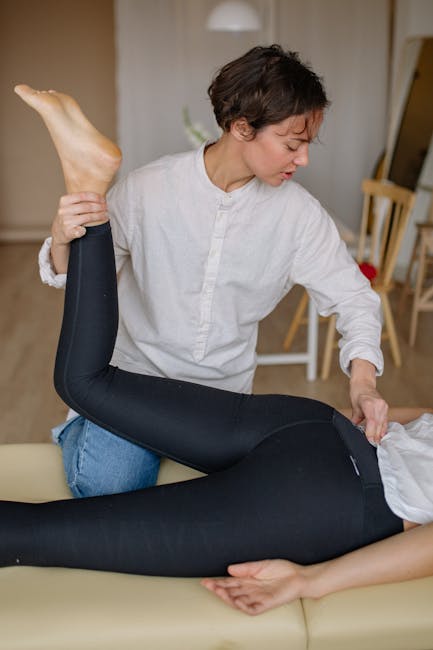
If you experience ongoing pain, decreased mobility, or nerve symptoms, it may be time to consult a chiropractor or other spine health professional in Cortland. Chiropractic care, massage therapy, and physical therapy are all excellent local resources to help correct spinal misalignments, relieve pain, and restore function.
Early intervention can mean the difference between temporary discomfort and long-term health issues. Local professionals are familiar with the unique demands placed on the spines of Cortland residents and can tailor care to your lifestyle.
Prioritizing Spinal Health for a Better Cortland Lifestyle
Cortland offers a rich and fulfilling pace of life for individuals and families. Prioritizing your spinal health helps you keep up with the demands of your work, your hobbies, and your community activities. No matter the season or your age, a healthy spine is the secret ingredient to enjoying all that Cortland has to offer.
Conclusion
Spinal health plays a central role in the quality of life for Cortland residents. By staying attentive to warning signs, making spine-friendly lifestyle choices, and seeking professional guidance when needed, you can protect your mobility, comfort, and happiness for years to come. The path to a vibrant Cortland life starts with a strong, healthy spine.
